

CURRENT DATABASE // TAROT
Tarot cards add rules to a build. That makes them exciting and easy to misread: the card may be strong in the right orientation, but the orientation, trigger, and sub-weapon condition all determine whether it is active in your run. This guide turns a Tarot offer into a checkable decision instead of a rarity or name recognition contest.
The library records each Tarot face separately when the database distinguishes upright and reversed effects. Read the exact text, identify the event that activates it, and then compare the card with the current Hunter, weapon, relics, and skills. A card that asks the run to change identity is a pivot; it should not be treated as a harmless upgrade.
Read the orientation as a different card
Upright and reversed faces can have different jobs. One may reward a starting trigger, another may improve dismantling, and another may change what a sub-weapon contributes. Never summarize both faces as simply good or bad. Write down the exact side you can take and the event it expects. If the current run cannot meet that condition, the card is a future option rather than current power.
Orientation also changes the fallback. A card that helps a route through economy may be replaceable by a direct survival or element card when the shop path is short. A sub-weapon card may be excellent only when the secondary weapon has a real effect to share. The right comparison is always with the slot's next-best use.
Match the card to an existing event
Tarot synergy is strongest when the loadout already performs the event the card names. If the card references critical hits, ask how many reliable critical attempts the weapon creates. If it references dismantling, ask what the run can safely dismantle. If it references a skill, check whether the skill is cast often enough. A card should amplify a route that exists, not serve as a wish that the route will eventually exist.
This is why the Planner can be more useful than a static Tarot ranking. It can show the interaction alongside the rest of the loadout and make a conflict visible. The card can be powerful in a guide and still be a poor pickup when the current run has no way to feed it.
Use Tarot to change a route deliberately
Sometimes a Tarot card is worth pivoting for. The pivot should be deliberate: name the new event, the weapon or skill that supports it, and the fallback if the next offer does not cooperate. Do not take a card that changes the route and then continue spending every later slot on the old route. Mixed signals are where Tarot choices become dead weight.
A good pivot also respects stage timing. Early in a run, there may be enough offers left to assemble a new engine. Near a boss, a card that needs several missing pieces is less attractive than a card that immediately improves survival or target coverage. Timing is part of Tarot value even when the card text never says so.
Boss and crowd roles still matter
Tarot effects often change the shape of a weapon or skill rather than adding obvious damage. Test whether the card improves crowd clear, boss pressure, or the safety needed to reach both. A card that gives a strong boss rule may leave a room-clear gap; a card that multiplies area events may need a separate single-target answer. Use the tag links and related entries to find that missing half before the boss room.
When the card is conditional, play around the condition only if it produces a repeatable advantage. One lucky activation is a useful observation, not proof of a permanent best card. Keep the old route's simplest working action available until the new Tarot rule has paid back its opportunity cost.
Keep the patch and evidence visible
Tarot interactions are especially sensitive to wording changes. The current site baseline is patch 1.0.479; a future update can change a trigger, a percentage, or which effects are shared. The page's evidence label tells you whether the relationship is official text, cross-checked route logic, a community report, or still a test target. Use that label to decide how much of the build should depend on it.
A trustworthy Tarot note explains the condition and the test rather than hiding uncertainty behind a ranking. If you cannot reproduce the interaction, keep the card as a candidate, not a foundation. The next decision should leave the run with a route that still functions when the card does not appear.
Five questions to ask before you commit
- Which orientation is actually available, and what is its exact trigger?
- Does the current loadout already perform that trigger repeatedly?
- Is this a small upgrade or a deliberate route pivot?
- What boss or crowd job does the card improve, and what job remains uncovered?
- What part of the interaction needs retesting after the current patch?
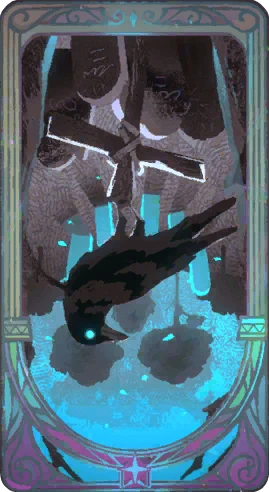
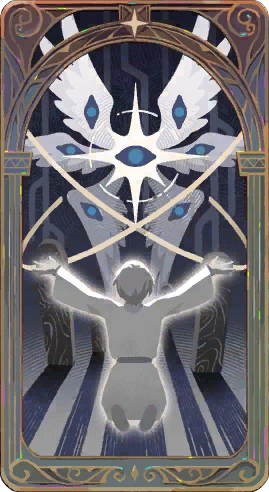
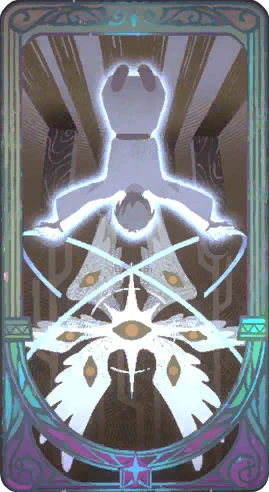
Start with the most connected entries
These are starting points from the current planner database, not a promise that one entry wins every run. Open the entry for its effect text, route notes, related picks, and a direct Planner link.

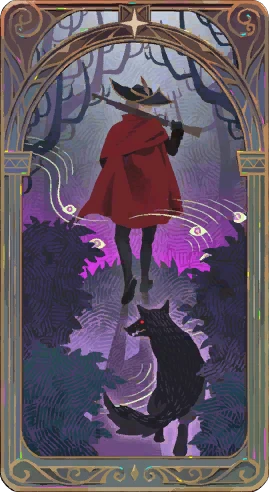

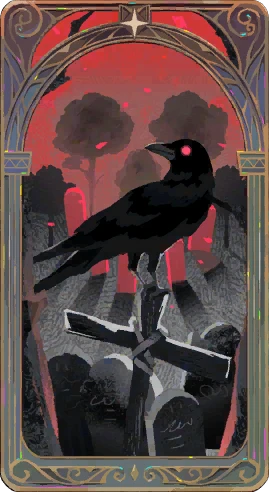
Turn the guide into a live decision
Browse the full tarot index, open the object you actually see, and send it into the Planner. The best choice depends on the Hunter, weapon, stage, and missing trigger in front of you.
Open the full item library Open a Planner example